

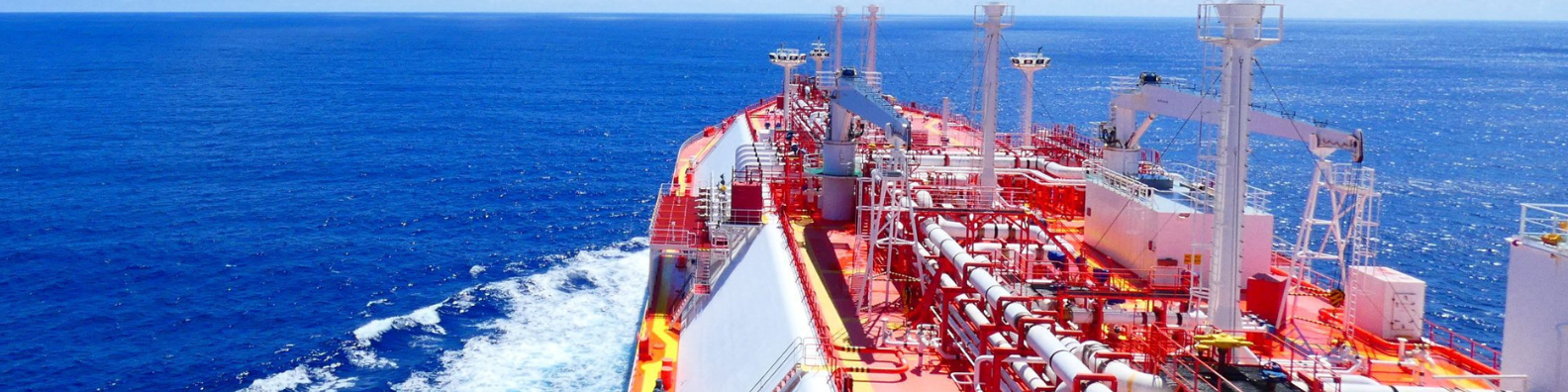
Digital Solutions for LNG Cargo Management
Ascenz Marorka, a member of the GTT Group, leverages over six decades of GTT’s expertise in cryogenic membrane technology for LNG storage and transport. GTT has been a global leader in designing and supplying state-of-the-art solutions for liquefied natural gas carriers, floating LNG units, and storage terminals. This unique heritage provides Ascenz Marorka with unparalleled credibility in digital solutions for LNG cargo management. By combining GTT’s technical mastery of LNG containment systems with Ascenz Marorka’s expertise in IoT, AI, and vessel performance, our solutions empower LNG carriers and operators to optimize operational efficiency, improve safety, reduce costs, and ensure reliable cargo delivery.
Boil-Off Gas (BOG) Management
Boil-off gas management is central to efficient LNG cargo operations. LNG is a cryogenic liquid that naturally generates vapor due to heat ingress, a process known as boil-off. Ascenz Marorka’s LNG cargo management solutions provide real-time monitoring of energy performance for LNG carriers, tracking fuel consumption of engines, gas combustion units, and marine diesel oil or heavy fuel oil used to manage BOG.
Our system monitors both natural and forced boil-off gas, ensuring that LNG carriers maintain optimal energy efficiency throughout navigation. Real-time data allows operators to optimize BOG utilization, reducing fuel costs and minimizing unnecessary venting. By continuously analyzing energy consumption patterns, our digital solution enables informed operational decisions that improve the overall performance of the vessel while ensuring compliance with environmental and safety regulations.
Sloshing Management
Sloshing inside LNG tanks can create significant operational risks. The movement of liquid cargo within partially filled tanks can generate high dynamic pressures, potentially damaging the tank structure and impacting operational safety. Ascenz Marorka provides real-time monitoring of sloshing activity for each tank, helping operators make critical decisions that optimize LNG cargo operations.
Advanced analytics compare sloshing periods against the vessel’s operational profile, allowing operators to predict potential risks during navigation. By leveraging these insights, LNG carriers can adjust speed, heading, or operational procedures to minimize structural stress and maximize operational windows. Sloshing management is therefore essential for ensuring both the integrity of the tank and the safety of the vessel during loading, transit, and unloading operations.
LNG AGEING
LNG is a living cargo, and its thermodynamic and chemical properties evolve over time. Our LNG ageing module predicts changes in methane number, calorific value, temperature, pressure profiles, and holding time. These insights allow operators to monitor the evolution of natural gas properties, optimizing cargo quality and reducing losses during transportation.
Accurate LNG ageing prediction is also crucial for regulatory compliance. For example, nitrogen content can impact the Carbon Intensity Indicator (CII) calculation for LNG carriers. By anticipating changes in LNG composition, operators can plan optimal delivery schedules, adjust cargo conditioning strategies, and ensure that the LNG meets charterer specifications throughout the voyage.
Tank Maintenance Optimization
Maintaining LNG tanks is a critical component of operational efficiency. Our sloshing virtual sensor technology provides a unique fatigue prediction algorithm applied to the GTT tank digital twin. This allows operators to derive relevant indicators for Alternative Survey Plans (ASP), reducing the frequency of tank inspections without compromising safety.
Optimizing tank maintenance schedules translates into significant cost savings for LNG carriers. Operators can better plan inspections, predict potential structural issues, and ensure operational readiness, all while minimizing downtime. The integration of digital twins, advanced analytics, and real-time monitoring enables a proactive approach to tank maintenance that improves both safety and economic performance.
Operational Window Optimization for LNG Offshore Units
Floating LNG units, including FLNG and FSRU, face operational constraints imposed by weather, sea conditions, and vessel characteristics. Our digital solutions provide live sloshing risk prediction based on weather forecasts, ship particulars, and operational conditions.
By anticipating potential unsafe periods, operators can maximize the operational window of offshore LNG units. This predictive capability ensures that LNG carriers and floating units operate efficiently, maintaining cargo safety while optimizing energy use and operational performance. As a result, the units can deliver LNG reliably even under challenging environmental conditions, ensuring uninterrupted supply to meet growing global gas demand.
Emergency Departure Support
Unloading or loading LNG cargo can be jeopardized by sudden changes in weather, particularly when tanks are partially filled. Our emergency departure tool provides decision support by suggesting optimal tank-to-tank transfer sequences to achieve safe filling levels.
This functionality ensures that LNG carriers can respond promptly to unexpected conditions, mitigating risks associated with cargo instability, tank pressures, and boil-off gas generation. Emergency departure planning supports both operational continuity and crew safety, allowing operators to maintain efficient cargo operations while protecting valuable LNG assets.
Roll-Over Prevention
Roll-over is a critical phenomenon in LNG cargo management, occurring when two cargoes of different densities generate stratification within the tank, potentially causing a sudden inversion of liquid phases and extreme BOG generation.
Ascenz Marorka’s digital solutions assist operators in managing cargo stratification risks and preventing roll-over events. By analyzing liquid density profiles and tank conditions in real time, operators can plan and execute cargo operations safely, ensuring that LNG carriers maintain structural integrity and operational safety while minimizing boil-off losses.
Cargo Conditioning
During loading and unloading operations, constraints such as changes in ETA or discharge port requirements may occur. Our cargo conditioning tool allows operators to adjust LNG properties to meet the requirements of new discharge terminals.
By computing the BOG flow required to recondition the cargo, the system ensures that LNG remains within acceptable operational and chemical parameters. This minimizes cargo losses and maximizes the delivered quantity, improving overall efficiency and economic performance. Crew and operators gain the ability to adapt LNG cargo to changing operational demands without compromising safety or environmental standards.
Integration of Data and Real-Time Monitoring
Effective LNG cargo management relies on accurate, real-time data from multiple sources. Ascenz Marorka’s solutions integrate sensor data from tanks, pressure and temperature readings, BOG flow, and vessel operational parameters. This enables a holistic view of LNG cargo conditions across all tanks, supporting decisions on fuel use, energy management, and operational planning.
Operators can track liquid levels, gas pressures, and the thermodynamic state of methane and other components in real time. This comprehensive monitoring ensures that LNG carriers operate safely, efficiently, and in compliance with international regulations. Moreover, data-driven insights allow for predictive maintenance, optimized voyage planning, and informed decision-making in response to changing environmental and market conditions.
Benefits for LNG Carriers and Operators
By implementing Ascenz Marorka’s LNG cargo management solutions, carriers achieve several key benefits:
- Enhanced fuel and energy efficiency through precise BOG and natural gas management.
- Improved operational safety with real-time monitoring of sloshing, roll-over, and emergency scenarios.
- Optimized tank maintenance and inspection schedules, reducing operational costs.
- Maximized cargo delivery through LNG ageing prediction and cargo conditioning.
- Compliance with environmental and regulatory requirements, including emissions and pressure management.
- Increased transparency and decision-making capabilities for both ship crews and operational managers.
These solutions are essential for LNG carriers, floating storage units, and offshore LNG operations seeking to maximize efficiency, reduce costs, and ensure the safe delivery of natural gas to global markets.
Conclusion
Managing LNG cargo requires sophisticated, data-driven solutions to navigate the complexities of boil-off gas, tank sloshing, LNG ageing, and cargo conditioning. Ascenz Marorka combines GTT’s industry-leading expertise with advanced digital technology to provide LNG carriers with real-time monitoring, predictive analytics, and operational decision support.
By leveraging our solutions, vessels can optimize energy use, maintain cargo integrity, improve operational efficiency, and ensure safety across all phases of LNG transport. These integrated capabilities make Ascenz Marorka a trusted partner for LNG carriers and operators worldwide, delivering measurable results in cost savings, performance, and environmental compliance.
With the growing demand for natural gas and the increasing complexity of LNG operations, our solutions ensure that LNG carriers and floating units can operate safely, efficiently, and profitably in today’s dynamic global energy market.