

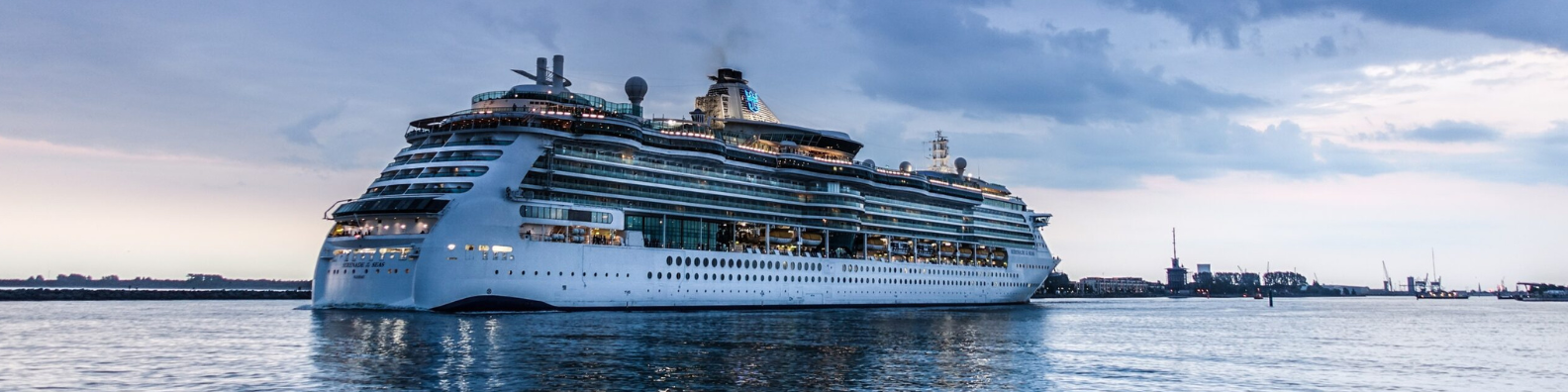
Digital Solutions for Cruise ships and Ferries
CRUISE SHIP
With the rising demand for luxury travel, cruise ship operators are increasingly adopting advanced digital solutions to address rising fuel costs, improve operational efficiency, and enhance passenger experiences. Cruise ships are complex vessels with multiple energy-intensive systems, from propulsion engines to hotel services onboard, all contributing to significant fuel consumption and emissions. Optimising cruise ship performance is therefore essential not only to reduce operational costs but also to ensure environmental sustainability and regulatory compliance.
Leveraging real-time data and advanced analytics, cruise operators can monitor every aspect of vessel performance. This includes propulsion efficiency, machinery performance, speed management, energy consumption, and emissions tracking. By accessing accurate and continuous insights, operators are empowered to make informed decisions that enhance fuel efficiency, reduce emissions, and optimise onboard energy usage. These improvements directly contribute to reduced costs while maintaining high standards of passenger comfort and service quality.
Digital solutions for cruise ships also enable predictive maintenance, reducing unexpected downtime and extending the operational lifespan of critical systems. Through continuous monitoring of fuel usage and engine performance, operators can identify trends and anomalies early, preventing costly repairs and improving overall efficiency. Optimised speed management further contributes to lower fuel consumption and improved environmental performance without compromising travel schedules.
The cumulative effect of these measures is a more sustainable and cost-effective cruise ship operation. Advanced analytics allow operators to balance passenger experience with operational efficiency, ensuring vessels meet both commercial and environmental objectives. By focusing on energy management, fuel consumption, and vessel performance, operators can achieve measurable savings and a tangible reduction in emissions, all while enhancing the overall travel experience for passengers.
Ferries
Ferries, essential for connecting cities and islands, operate under fixed schedules and predictable routes. These vessels transport both passengers and vehicles, ranging from small interisland ferries on lakes and rivers to larger ships crossing seas. Given their repetitive operations and relatively standard loading conditions, ferries present unique opportunities for operational optimisation and benchmarking.
Our digital solutions for ferries focus on fuel consumption management, machinery performance, speed optimisation, and emissions tracking. By capturing detailed data across multiple voyages, operators gain insights into areas where efficiency can be improved. Real-time monitoring allows for better planning of travel schedules, optimising energy use, and ensuring timely departures and arrivals.
Fleet management tools enable ferry operators to monitor multiple vessels simultaneously, providing actionable insights into performance metrics and fuel usage. These insights allow operators to implement strategic decisions that reduce costs, improve service reliability, and minimise environmental impact. With continuous monitoring and historical data analysis, operators can track trends in fuel consumption, detect inefficiencies, and implement corrective measures that improve both efficiency and profitability.
By reducing fuel usage and optimising operational practices, ferry operators can achieve substantial savings while complying with international environmental standards. These solutions also help enhance the safety and reliability of ferry operations, ensuring a consistent and high-quality travel experience for passengers.
Operations
Combining advanced digital monitoring across cruise ships and ferries allows operators to achieve fleet-wide performance improvements. Centralised platforms enable the collection and analysis of data from multiple vessels in real time, providing a comprehensive overview of fleet performance. Operators can compare metrics between ships, identify best practices, and implement strategies that optimise fuel consumption and reduce emissions across the fleet.
Real-time tracking of fuel usage, speed, and energy consumption empowers operators to make smarter decisions that enhance both commercial performance and environmental responsibility. By standardising data collection and analytics, cruise and ferry operators can continuously evaluate operational practices, implement predictive maintenance, and refine voyage planning for maximum efficiency.
Advanced tools also allow operators to evaluate different routes, adjust speed profiles, and anticipate energy requirements for various travel conditions. Such proactive measures help maintain high levels of service reliability while reducing operational costs. The integration of real-time data and predictive analytics ensures that every vessel in the fleet operates efficiently, sustainably, and in compliance with regulations.
Environmental Benefits and Regulatory Compliance
Environmental responsibility is a critical consideration in modern maritime operations. Cruise ships and ferries generate significant emissions, and operators must comply with strict international regulations. Our solutions monitor fuel usage, track emissions, and provide actionable insights to ensure compliance with environmental standards.
By reducing fuel consumption and improving energy efficiency, operators not only lower costs but also minimise the environmental impact of vessels. Sustainable operations contribute to corporate social responsibility goals and strengthen public trust, particularly in the passenger transport sector. Advanced performance monitoring ensures that all systems operate optimally, preventing excess energy use and unnecessary emissions.
Optimising Passenger Experience and Operational Performance
Beyond energy and fuel management, our digital solutions for cruise ships and ferries enhance the overall passenger experience. Efficient voyage planning, smooth operations, and reliable service contribute to higher passenger satisfaction. By monitoring vessel performance, operators can proactively address operational issues, ensuring that ships maintain optimal speed, efficiency, and comfort throughout each journey.
Advanced analytics also provide insights into how operational adjustments affect both fuel efficiency and service quality. Operators can experiment with different operational strategies, monitor the impact on energy consumption and emissions, and choose the best practices that balance cost savings, environmental responsibility, and passenger comfort.
Key Benefits
- Improved fuel efficiency and reduced operational costs
- Enhanced vessel performance across cruise ships and ferries
- Real-time data monitoring and actionable insights
- Predictive maintenance and extended machinery lifespan
- Reduced emissions and compliance with environmental regulations
- Optimised speed and voyage planning for efficiency and passenger comfort
- Comprehensive fleet management and benchmarking
By implementing advanced digital solutions, cruise ship and ferry operators will achieve a sustainable balance between operational efficiency, environmental responsibility, and passenger satisfaction. Monitoring fuel consumption, energy usage, and vessel performance ensures that every journey is cost-effective, environmentally compliant, and aligned with the highest standards of maritime excellence.
These solutions transform how ships operate, providing insights that enable continuous improvement and long-term profitability. By leveraging real-time data and advanced analytics, cruise and ferry operators will enhance efficiency, reduce costs, and deliver exceptional travel experiences while maintaining a strong environmental and operational performance record.
SOLUTIONS

Electronic Fuel Monitoring System
Ship Performance Management
Voyage Optimisation
REPORTING AND COMPLIANCE MANAGEMENT

Discover our solutions for ocean-going vessels in video and contact us!